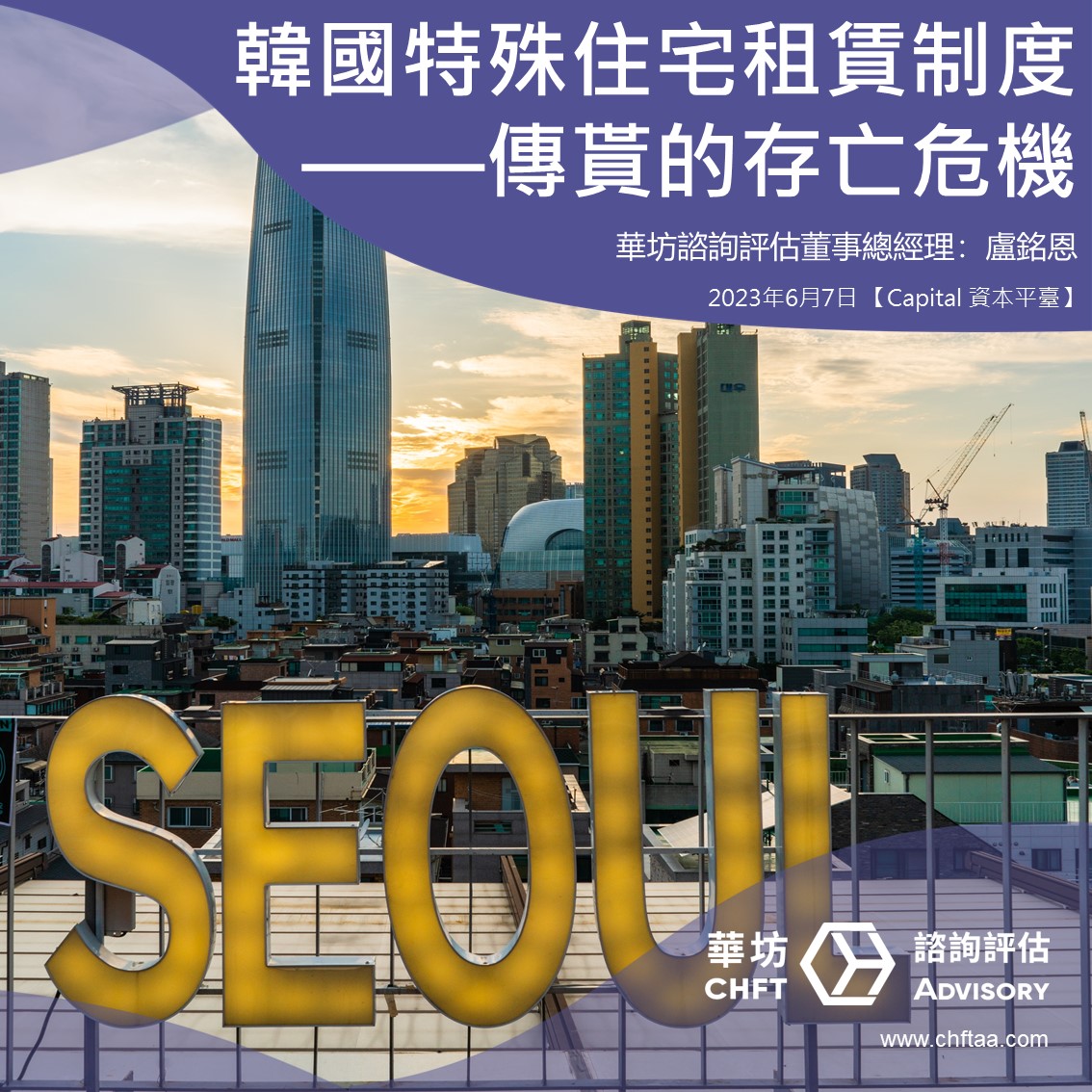
In the Korean real estate market, there is a unique rental system called “Jeonse,” also known as “全租” among the local Chinese community. Jeonse refers to a system where tenants pay a certain amount of deposit to the landlord in exchange for the right to use and profit from the property for a certain period of time. For landlords, Jeonse allows them to obtain a large sum of money more quickly and easily than a bank loan. Another advantage is that the income from Jeonse is tax-free, while monthly rent income is subject to taxation, which can save landlords a significant amount of money.
However, as the number of rental properties increases, landlords who rely on Jeonse deposits may have difficulty returning the deposits to tenants when the lease expires. This has led to landlords tending to sell their properties at a significant discount, driving down housing prices. In South Korea, this has resulted in a 4.5% drop in housing prices this year compared to last year’s high. If housing prices fall by 10%, about a quarter of landlords may not be able to return Jeonse deposits. It can be seen that Jeonse rights are largely affected by real estate prices and interest rates. Once encountering an interest rate hike cycle, the landlord’s funding chain may face a chance of breaking, which may lead to catastrophic consequences. Therefore, this special Jeonse system in Korea may also face the possibility of systematic disappearance.